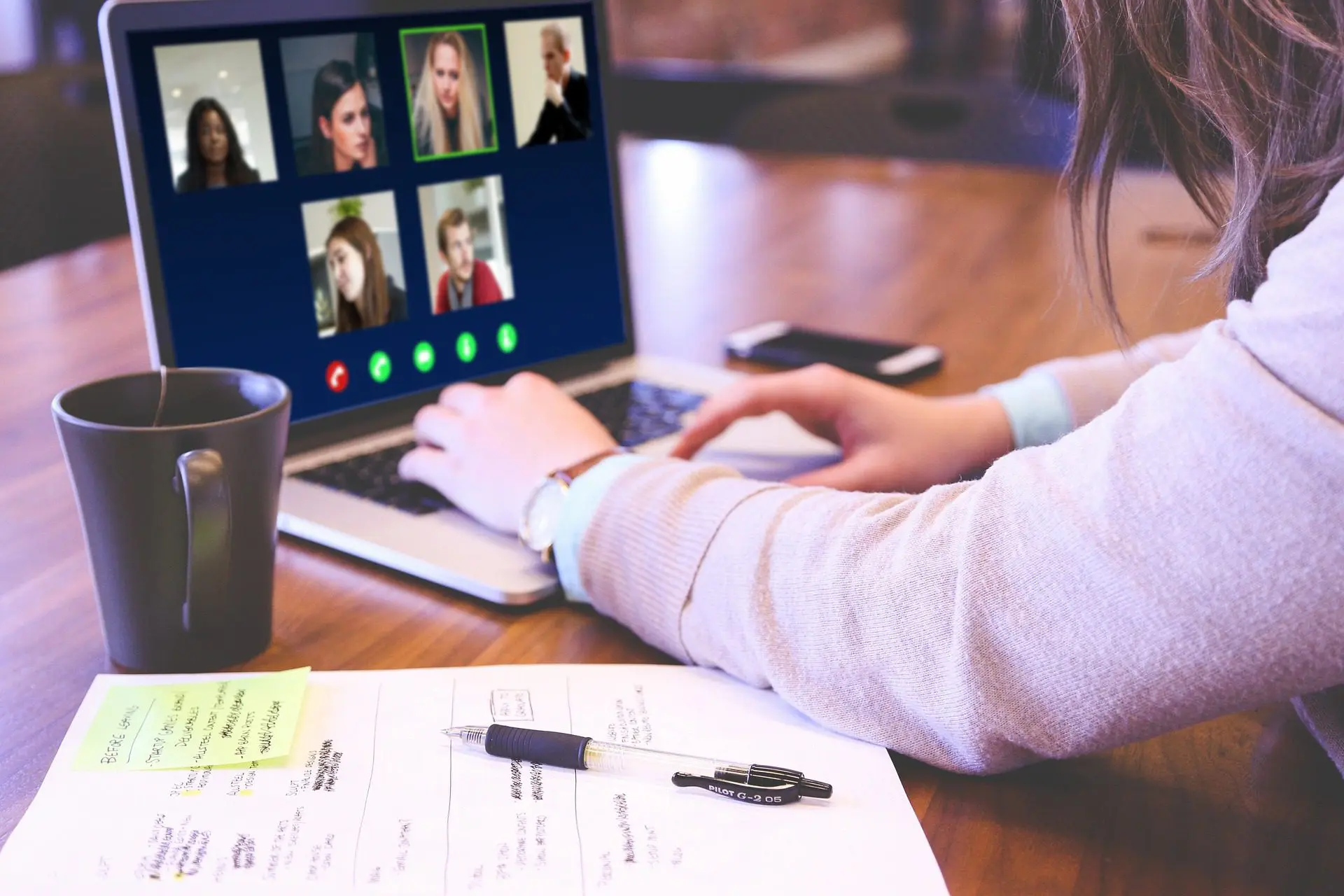
As technology continues to reshape the modern workplace, remote work is no longer a temporary solution, it is a structural shift in how organizations operate. While remote arrangements offer measurable advantages such as cost efficiency, expanded access to talent, and improved retention, they also introduce operational complexity.
Without intentional leadership and structured systems, remote teams can quickly experience communication breakdowns, performance inconsistencies, and reduced engagement.
Sustainable success in a remote environment requires clarity, alignment, and disciplined execution.
Be Intentional About Collaboration
One of the most common breakdowns in remote environments is collaboration. While many organizations incorporate team-building exercises during onboarding, ongoing collaboration often becomes reactive rather than strategic.
High-performing remote teams do not collaborate by chance — they collaborate by design.
Leaders must establish a deliberate plan that fosters connection, trust, and cross-functional alignment. This includes:
-
Structuring virtual meetings with defined objectives
-
Creating themed engagement sessions that encourage participation
-
Designing interactive forums that strengthen team cohesion
-
Reinforcing accountability through consistent touchpoints
Intentional collaboration strengthens relationships, improves problem-solving, and ensures that remote employees remain connected to organizational goals.
Establish Structured Communication Systems
Remote teams require more than open communication — they require structured communication systems.
When expectations for communication are unclear, productivity suffers, customer experience declines, and employee turnover increases.
Organizations should implement defined channels for:
-
Real-time collaboration
-
Performance feedback
-
Project updates
-
Issue resolution
Leveraging tools such as video conferencing platforms, project management systems, and structured check-ins ensures alignment and reduces operational friction.
Clarity in communication is not optional in a remote environment — it is foundational to performance.
Set Clear Expectations and Performance Standards
Flexibility does not eliminate accountability.
To integrate remote employees successfully, leaders must define:
-
Performance benchmarks
-
Communication protocols
-
Response time expectations
-
Deliverable timelines
-
Evaluation standards
When expectations are clearly articulated and consistently reinforced, remote employees operate with greater confidence and autonomy.
Structure creates stability and stability drives performance.
Leading for Long-Term Stability
Managing remote teams is not simply about accommodating location preferences. It is about designing operational systems that support clarity, accountability, and measurable results.
Organizations that approach remote workforce management with strategic discipline position themselves for sustained growth. Those that rely on informal structures risk operational inefficiency and disengagement.
Effective leadership in today’s environment requires more than flexibility — it requires intention.
When remote teams are guided by clear expectations, structured communication, and purposeful collaboration, they become not only productive, but high-performing contributors to long-term organizational success.
Sustainable success is not accidental. It is the result of intentional systems, clear accountability, and disciplined leadership. T&A Training Consultants LLC partners with organizations to strengthen processes, enhance performance, and build the operational stability required for long-term growth.